Outpatient vs. Inpatient Mental Health Treatment: How to Know Which Level of Care You Need
October 19, 2026
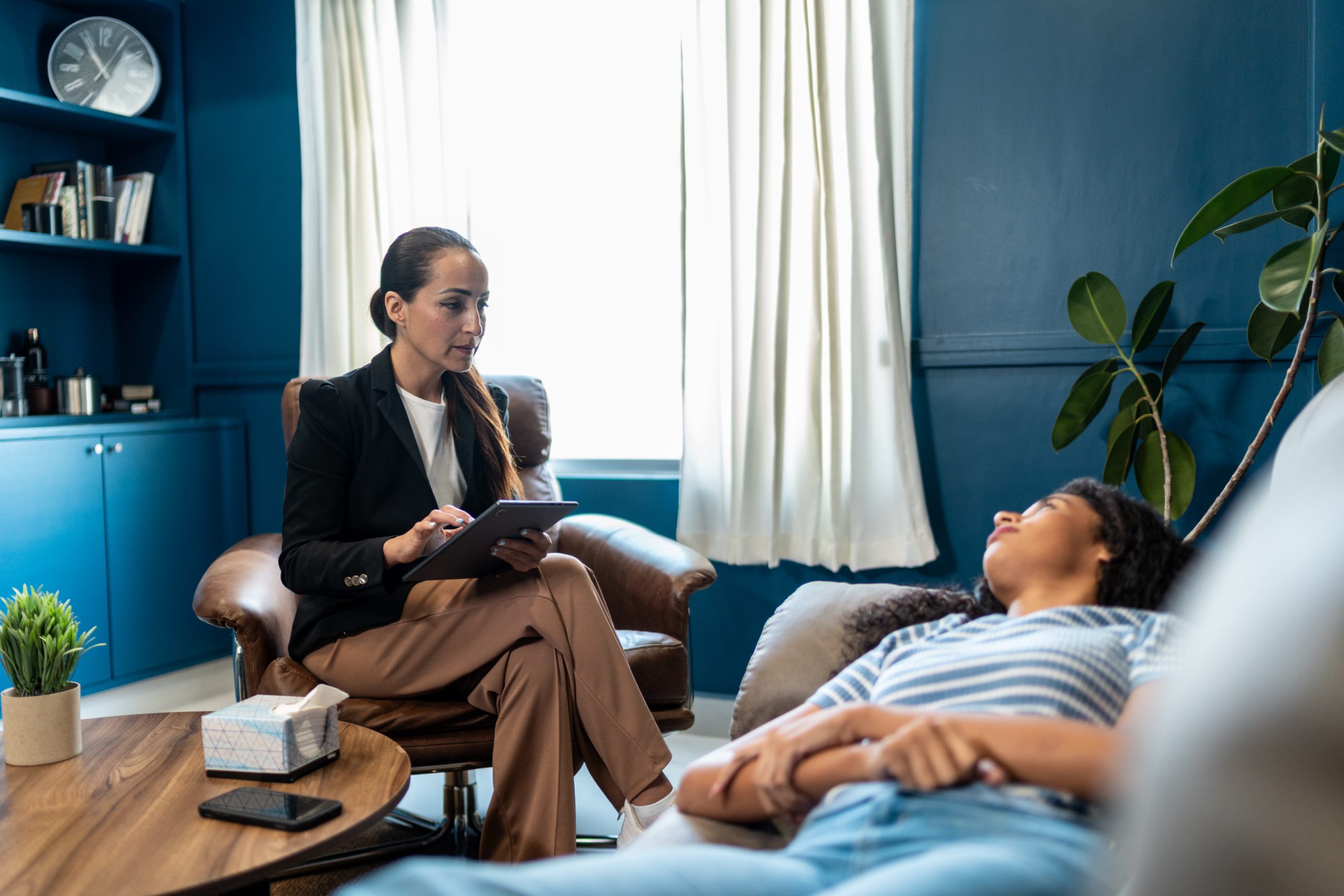
Mental health treatment isn’t one-size-fits-all. Inpatient care provides 24/7 hospital-based support for acute safety concerns, while outpatient options, which include Partial Hospitalization Programs (PHP) and Intensive Outpatient Programs (IOP), offer structured treatment that lets patients stay at home.
A confidential assessment with a mental health professional helps determine the right fit.
When you’re worried about your own mental health, or a family member’s, one of the first questions you’ll face is: what kind of help is actually needed? A weekly therapy appointment? A hospital stay? Something in between?
That uncertainty is normal. Most people aren’t familiar with how mental health treatment is structured, and trying to figure it out when you’re already under stress makes it even harder. Understanding the basic differences between levels of care can help you feel more prepared before reaching out.
Why “Level of Care” Matters in Mental Health Treatment
Mental health treatment works best when the intensity of care matches the severity of the concern. Too little support can leave someone without the structure they need. Too much, when it isn’t necessary, can disrupt daily life without added benefit.
The term “level of care” refers to the degree of clinical support a person receives, from occasional outpatient appointments to 24-hour hospital-based treatment. Matching someone to the right level isn’t about labeling how serious a concern is. It’s about giving each person the type of care that can actually help them stabilize and move forward.
What Is Inpatient Mental Health Treatment?
Inpatient treatment means staying at a hospital or behavioral health facility around-the-clock. It’s designed for situations where someone’s symptoms are severe enough that they can’t be safely managed at home, or where they need closer monitoring than an outpatient setting can provide.
During an inpatient stay, patients typically receive:
- Mental health evaluation: An in-depth clinical assessment to understand what’s happening and why
- Medication management: Prescribing and monitoring medications under close medical oversight
- Structured daily therapy: A mix of group, individual and family therapy woven into each day
- Physical evaluation: A review of overall health, since physical and mental health often intersect
- Discharge and aftercare planning: A plan for what comes next, so there’s no gap when someone leaves
Inpatient care isn’t a last resort. For many people, it’s the fastest path to stability when symptoms are at their most intense.

What Does Outpatient Mental Health Treatment Look Like?
Outpatient treatment covers a wide spectrum. At one end, there are standard clinic appointments, a few hours per week, with patients returning home the same day. At the other end are more intensive programs that come close to hospital-level structure without requiring an overnight stay. Brentwood Hospital’s outpatient programs span this range.
Standard outpatient clinic care
Brentwood’s Branches outpatient clinics, located in Highland, Leesville and Monroe, Louisiana, serve patients ages four and up with scheduled appointments. Services can include mental health evaluation, physical exams, individual and family therapy, medication management, and substance use treatment. This level of care works well for people who are seeking help for the first time, stepping down from a higher level of care, or following up after a previous episode.
Intensive Outpatient Program (IOP)
An IOP, or Intensive Outpatient Program, sits between standard outpatient care and more structured programs. It provides more hours of therapy per week than a standard clinic visit, while still allowing patients to live at home, go to work or attend school. Brentwood’s Senior Care IOP, for example, runs from 9 a.m. to 1:30 p.m., Monday through Friday, typically beginning at three days per week and stepping down as the patient progresses. Therapy approaches used include Cognitive Behavioral Therapy (CBT), a method focused on changing unhelpful thought patterns; Dialectical Behavior Therapy (DBT), which builds skills for managing emotions and relationships; and Cognitive Processing Therapy (CPT), often used for trauma.
Partial Hospitalization Program (PHP)
A PHP, or Partial Hospitalization Program, offers the most intensive level of outpatient care. Patients attend structured programming most of the day, five or more days per week, then return home in the evenings. Brentwood’s adult PHP runs Monday through Friday from 8 a.m. to 2 p.m., with abbreviated Saturday programming and a reflection day on Sunday. The average stay is roughly three weeks, though timing is adjusted to each person’s needs.
PHP can serve as a step down from inpatient care, or as a starting point for someone who needs more support than a standard clinic visit provides.
An adolescent PHP is also available for teens, and includes academic support from certified teachers alongside therapy and family education.
What Are the Signs That Someone May Need a Higher Level of Care?
There are certain patterns that signal it’s time to get a professional opinion rather than wait and see.
Consider reaching out for an assessment if you or your loved one:
- Is expressing thoughts of self-harm or suicide. This always warrants immediate contact with a mental health professional. In a crisis, call or text 988, or call 911 and go to the nearest emergency room.
- Is struggling to carry out daily responsibilities. When basic functioning, like getting out of bed, going to work or caring for children, becomes difficult to maintain, that’s a sign the current level of support may not be enough.
- Has tried outpatient therapy but isn’t seeing improvement. Sometimes the right approach is simply a more intensive level of care, not a different diagnosis.
- Has recently been discharged from inpatient treatment. PHP and IOP are often used as a bridge back to everyday life after a hospital stay, providing continued structure during the transition.
- Is managing a substance use issue alongside a mental health concern. These often occur together and may require a level of care that addresses both at the same time.
These aren’t diagnostic criteria. They’re signs that a conversation with a mental health professional is the right next step.
How Does a Level-of-Care Assessment Work at Brentwood Hospital?
Brentwood Hospital offers confidential level-of-care assessments 24 hours a day, seven days a week. A licensed mental health professional reviews the person’s symptoms, history and current situation, then makes a level-of-care recommendation based on what they find.
A few things worth knowing about the process:
- Anyone can start a referral. The person seeking help, a family member, a friend or another healthcare provider can all initiate contact.
- Walk-ins are welcome. There’s no need to have a referral letter or an existing relationship with Brentwood to get started.
- There is an option of scheduling an assessment. For more convenience you can schedule an assessment online.
- Insurance is accepted. Brentwood accepts most major plans, including Medicare, Medicaid and TRICARE. Staff can help verify coverage before treatment begins.
- Telehealth is available for patients who can’t reliably travel to a clinic. Eligibility depends on the person’s condition and location; call 318-222-6226 for telehealth questions.
You Don’t Have to Figure This Out Alone
Brentwood Hospital has been providing mental health and substance use treatment in Shreveport, Louisiana since 1971, serving patients and families across Louisiana, east Texas and southern Arkansas. The programs and services available span every level of care, from outpatient clinic visits to inpatient treatment, for ages four and up.
Call 877-678-7500 (toll-free) or 318-678-7500 (local) anytime, day or night.

Frequently Asked Questions
What’s the difference between inpatient and outpatient mental health treatment?
Inpatient treatment involves staying at a hospital or behavioral health facility around-the-clock, typically for acute safety concerns or symptoms that can’t be stabilized at home. Outpatient treatment allows patients to live at home while attending scheduled therapy sessions or structured daytime programs.
What is a PHP and how does it differ from an IOP?
A PHP, or Partial Hospitalization Program, is the most intensive form of outpatient care, with patients attending programming most of the day, several days per week. An IOP, or Intensive Outpatient Program, involves fewer hours per week and is often used as a step down from a PHP or a step up from standard outpatient visits. Both allow patients to return home each evening.
How long does a PHP or IOP program typically last?
Program length varies by person. Brentwood’s adult PHP averages roughly three weeks, while the senior IOP begins at three days per week and steps down gradually. Adolescent PHP typically runs two to four weeks. All timelines are adjusted based on clinical need.
How do I know if my loved one needs inpatient treatment or outpatient care?
A confidential level-of-care assessment is the most reliable way to answer that question. Brentwood’s licensed clinicians are available 24/7 to evaluate symptoms and circumstances. You don’t need a referral to get started, and anyone, including family members, can make the call.
Does Brentwood Hospital accept insurance for mental health treatment?
Yes. Brentwood accepts most major insurance plans, including Medicare, Medicaid and TRICARE®. Staff can help verify your coverage before treatment begins. For questions about your specific plan, call 877-678-7500.
Can I get outpatient mental healthcare if I live outside of Shreveport?
Yes. Brentwood’s Branches outpatient clinics are located in Highland, Leesville and Monroe, Louisiana. Telehealth options are also available for patients who can’t commute reliably. Call 318-222-6226 to ask about telehealth eligibility based on your location and clinical needs.
For a mental health crisis, call or text 988. For a physical emergency, call 911 and go to the nearest emergency room.