Recognizing Signs of Depression in Seniors
December 4, 2025
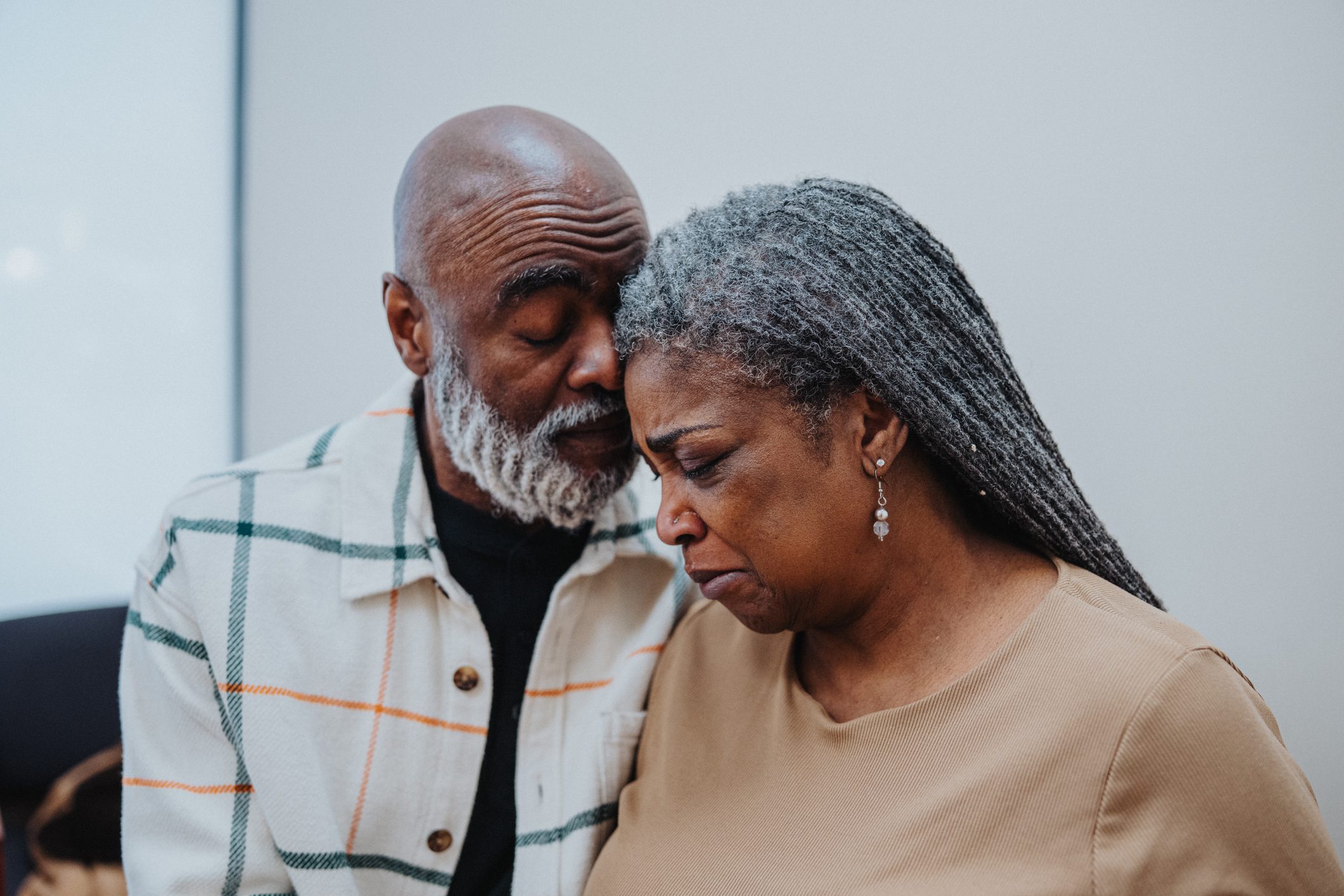
Depression in seniors often goes unnoticed because its signs can be mistaken for other issues related to aging. Understanding the symptoms and knowing how to support an elderly family member or friend can make all the difference in their quality of life.
Understanding Depression in Older Adults
Depression is not a normal part of aging, yet it is a common issue among older adults. The National Institute of Mental Health reports that 4.5% of Americans over the age of 50 experience depression, but the condition is often underdiagnosed and untreated.
Common symptoms of depression in older adults
The symptoms of depression in older adults can vary, but common signs include:
- Persistent sadness or an empty feeling
- Loss of interest in activities once enjoyed
- Changes in appetite or weight
- Difficulty sleeping or oversleeping
- Loss of energy or increased fatigue
- Feelings of worthlessness or guilt
- Difficulty concentrating, remembering or making decisions
- Physical symptoms that do not respond to treatment, such as aches or pains
- Social withdrawal
- Thoughts of death or suicide
These symptoms can be exacerbated by life changes such as retirement, the loss of a spouse or medical conditions. It’s helpful to differentiate between depression and other medical conditions that mimic its symptoms, such as thyroid disorders, vitamin deficiencies or side effects of medications.
How to Help Seniors with Depression
When you suspect a senior is dealing with depression, your support can be pivotal in their recovery. Here are some steps you can take to help.
Open lines of communication
Encourage open and honest dialogue about how they’re feeling. Sometimes, just having someone listen can be comforting. Approach the conversation with empathy and without judgment, and reassure them that it’s okay to seek help.
Encourage professional help
Depression is a medical condition that often requires professional treatment. Encourage them to visit a healthcare provider for a thorough evaluation. A doctor can rule out other health issues and discuss treatment options, which may include therapy, medication or both.
Offer practical support
Help them with daily tasks that might seem overwhelming. This can range from organizing medications to preparing meals. Sometimes, just knowing they have someone they can rely on makes a big difference.
Promote social engagement
Isolation can worsen depression. Encourage your loved one to participate in social activities, whether it’s joining a club, attending community events or simply having coffee with a friend. Social connections are vital for emotional health.
Exercise and nutrition
Physical activity and a balanced diet can help with managing depression. Encourage gentle exercises like walking or yoga, which can improve mood and overall health. Ensure they have access to nutritious meals and encourage regular eating habits.
Depression Treatment Options for Seniors

Treatment for depression in seniors often involves a combination of approaches tailored to their needs and medical history.
Psychotherapy
Also known as talk therapy, psychotherapy can be effective. Cognitive-behavioral therapy (CBT) is one type that helps patients identify and change negative thinking patterns. Therapy can be done one-on-one, with family members or in a group setting.
Medication
Antidepressants are commonly prescribed, but it’s important to find the right medication and dosage. Seniors may be more sensitive to side effects, so close monitoring by a healthcare professional is important. Never adjust medication without consulting a doctor.
Lifestyle changes
Encouraging a healthy lifestyle can have an impact on depression management. This includes regular exercise, healthy eating, adequate sleep and avoiding alcohol and drugs.
Support groups
Connecting with others who are experiencing similar challenges can provide comfort and reduce feelings of isolation. Look for local or online support groups for seniors dealing with depression.

Building a Support System
Creating a strong support network can help seniors cope with depression. Family, friends, healthcare providers and community resources all play an important role.
Family and friends
Stay involved in your loved one’s life. Regular check-ins, whether in person or over the phone, can provide emotional support and help monitor their condition.
Healthcare providers
Work closely with your loved one’s healthcare team to ensure they receive comprehensive care. Regular appointments and open communication with doctors are key to effective treatment.
Community resources
Many communities offer resources for seniors, including mental health services, transportation and social activities. Explore what is available in your area and help your loved one access these services.
Depression Treatment for Seniors
Depression is treatable, and with the right care and support, seniors can lead fulfilling and joyful lives.
Brentwood Hospital, located in Shreveport, LA, offers a wide range of programs that provide specialized care for people of all ages and walks of life, including senior adults. We offer both acute inpatient and outpatient programming so that our community can get appropriate care for their mental health issues.
Learn more by contacting us online or by giving us a call at 877-678-7500.
If you or a loved one is experiencing a mental health crisis, CALL 988 or seek the nearest emergency room.
For physical health emergencies, CALL 911 or get to the nearest emergency room.